Couples Counselling and Relationship Support
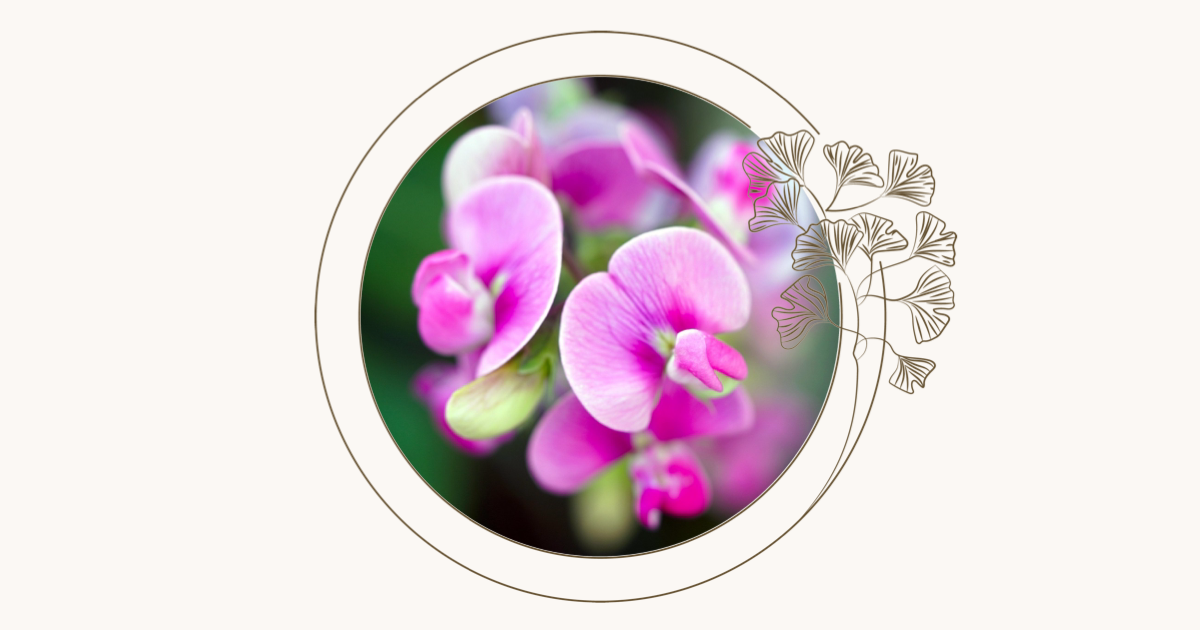
The sweet pea path
Historically, sweet peas have been associated with gratitude, tender affection, friendship, and lasting goodbyes, often symbolising the meaningful bonds we form with others and the emotions that accompany change and parting. The sweet pea was chosen for this pathway because it reflects the tenderness, connection, and care at the heart of relationships, offering a gentle symbol for couples who want to understand one another more deeply, nurture their bond, and find their way back to connection when distance, hurt, or change has taken hold. This pathway offers LGBTQ+ affirming online couples counselling for adults who want support with communication, conflict, intimacy, trust, identity, attachment, trauma, or the quiet distance that can grow between people over time.
Couples’ counselling is not about deciding who is right or wrong. It is a space to slow down the patterns between you, understand what keeps happening, and explore what repair, honesty, safety, or change might look like now.
Online relationship counselling available across the UK | LGBTQ+ affirming, trauma-informed and relational support
You Don’t Have to Wait Until the Relationship is Falling Apart
Many couples wait until things feel unbearable before seeking support. But relationship counselling can also help when you are not in crisis, when you keep having the same conversation, when closeness feels harder than it used to, when conflict escalates quickly, or when something important has become difficult to say.
You may still love each other and feel stuck. You may care deeply and hurt each other often. You may want repair, clarity, reconnection, or a more honest way of deciding what comes next.
This Support May be For You If…
You keep having the same argument and cannot find your way out of it.
One or both of you feel unheard, criticised, defensive, lonely or shut down.
Communication has become tense, avoidant or circular.
There has been a rupture in trust.
Intimacy, desire, affection or closeness has changed.
You are navigating sexuality, gender, coming out, transition, family or identity change.
You are trying to understand whether to stay, separate, repair or redefine the relationship.
You are in a queer, LGBTQ+, non-monogamous, polyamorous or non-traditional relationship and want affirming support.
One or both of you are carrying trauma, shame, grief, burnout or old attachment wounds.
You want a space where the relationship can be understood without either person being made the villain.
You do not need to have the perfect words before beginning. Book a free consultation.
What Can Couples’ Counselling Help With?

Communication Patterns
Understanding the conversations that become arguments, the silences that become distance, and the meanings underneath what gets said.
Conflict & Repair
Support with slowing down escalation, recognising triggers, taking responsibility, and building more possible routes back to each other.
Trust & Betrayal
A careful space to explore ruptures in trust, whether repair is possible, and what accountability, boundaries, and honesty may need to look like.
Intimacy & Desire
Support around closeness, sex, affection, mismatched desire, avoidance, shame, resentment, or the vulnerability of being wanted and known.
Attachment & Emotional Safety
Understanding pursue-withdraw patterns, fear, protest, shutdown, reassurance-seeking, independence, dependency, and the ways people protect themselves in connection.
Identity, Sexuality, & Change
Support for couples navigating coming out, gender exploration, transition, changing relationship structures, family expectations, or identities that are still emerging.
Relationship Support for LGBTQ+, Queer, & Non-Traditional Couples
Queer relationships are not automatically freer from old patterns, pressure, conflict or pain. But they are often shaped by contexts that traditional relationship counselling does not always understand:
coming out, chosen family, gender transition, minority stress, family rejection, safety, visibility, internalised shame, community overlap, non-monogamy, and the pressure to explain the relationship before you can even begin discussing the problem.
This is LGBTQ+ affirming couples’ counselling. Your relationship is not treated as unusual, lesser, experimental or in need of translation. The work begins from respect for who you are, how you relate, and what you are trying to understand together.
When the Past Enters the Room With You
Couples rarely argue only about the thing they are arguing about. Underneath conflict, distance or shutdown, there may be older patterns: fear of abandonment, fear of being controlled, shame, grief, trauma, family roles, perfectionism, people-pleasing, nervous system shutdown, or the belief that needing someone is unsafe.
A trauma-informed approach does not excuse hurtful behaviour, but it can help make sense of why certain moments feel so intense, why one person pursues while another withdraws, or why both people can feel unseen even while trying hard to be understood.
If shutdown or numbness is part of your relationship pattern, you may also want to explore Functional Freeze or Somatic Coaching.
If trauma is central to what you are carrying, Sexual Trauma Support may be relevant for individual support.

What Happens in Couples’ Counselling?
Couples’ counselling offers a structured space where both people can speak, listen and begin noticing the pattern between them rather than only the content of the latest argument.
The work may involve exploring communication, emotional needs, conflict cycles, attachment patterns, trust, intimacy, boundaries and what each person is protecting. Sessions are collaborative and paced carefully. The aim is not to force a particular outcome, but to create more honesty, understanding and choice.
Sessions May Include:
Mapping repeated conflict cycles
Slowing down reactive conversations
Understanding what each person hears underneath the words
Identifying needs, fears, boundaries and repair attempts
Practising communication that feels less blaming or defended
Exploring intimacy, desire and emotional distance
Working with shutdown, overwhelm, anger or avoidance
Rebuilding trust after rupture, where appropriate
Clarifying whether the relationship can continue
Supporting separation with care, if that becomes the path
Online Couples Counselling Across the UK
Online couples counselling can offer a flexible and accessible way to begin relationship work, especially if you live in different locations, have demanding schedules, are parenting, travel often, or want support from a familiar space.
Sessions are available online for couples across the UK who want relationship counselling that is warm, inclusive, trauma-informed and LGBTQ+ affirming.
A Note on Safety, Coercion, & Abuse
Couples’ counselling is not always the right or safest form of support. If there is active abuse, coercive control, intimidation, fear, threats, or one person does not feel safe speaking honestly in front of the other, individual specialist support may be more appropriate.
A consultation can help clarify whether couples’ counselling is suitable, or whether another kind of support would be safer.
You May Also be Looking For…
LGBTQ+ Affirming Counselling
For queer, trans, non-binary and questioning adults seeking support around identity, shame, belonging, and relationships.
Coming Out Later in Life
For adults and relationships navigating sexuality, identity, grief, honesty, and change later in life.
Somatic Coaching
For people who want body-aware support with nervous system regulation, boundaries, self-trust, and relational patterns.
Functional Freeze
For people who feel stuck, numb, shut down or on autopilot while still managing to function.
Sexual Trauma Support
For survivors seeking gentle, consent-led, trauma-informed individual support.
Questions About Couples’ Counselling
-
No. Couples’ counselling can support relationships at many stages, including when things feel stuck, distant, tense, uncertain, or simply in need of more honest communication.
-
No. The work is not about deciding who is right or wrong. It is about understanding the pattern between you, what each person is carrying, and what might support more honesty, repair, clarity or change.
-
Yes. Repeated arguments often point to a deeper cycle beneath the surface. Counselling can help slow the pattern down and explore what each person is trying to protect, express or avoid.
-
Yes. This is LGBTQ+ affirming couples’ counselling for queer, trans, non-binary, bisexual, lesbian, gay, pansexual, asexual and questioning clients, including non-traditional and non-monogamous relationships where appropriate.
-
It can support some couples after a rupture in trust, if both people are willing to engage honestly and safely. The work may involve accountability, boundaries, grief, anger, repair, and clarity about whether the relationship can continue.
-
Yes. Sometimes couples’ counselling supports repair and reconnection. Sometimes it supports clarity, transition or separation with more care.
-
Online couples’ counselling can be a useful and accessible format for many couples. It can offer privacy, flexibility and a structured space to work through relationship difficulties. Suitability can be discussed during a consultation.
-
Couples’ counselling may not be appropriate where there is active abuse, coercive control, intimidation, fear, threats or where one person cannot speak safely. In those situations, individual specialist support may be safer.
You Can Begin With the Pattern Between You
You do not need to know whether the relationship can be fixed before asking for support. You do not need to arrive with the perfect explanation. You do not need to have stopped hurting before you begin.
A free consultation gives you space to ask questions, talk through what you are looking for, and see whether couples’ counselling feels like the right support.