Life Transitions and Emotional Realignment
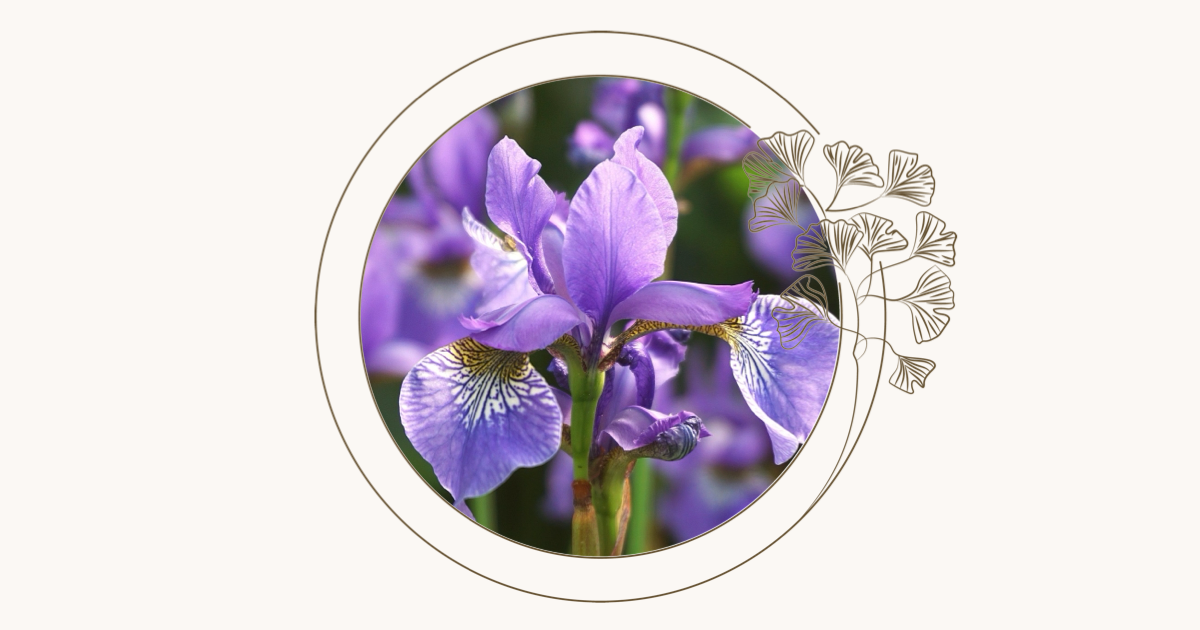
The Iris Pathway
Historically, the iris has been associated with wisdom, hope, courage, and messages of change, with its name linked to Iris, the Greek goddess who carried messages between heaven and earth. The iris was chosen for this pathway because it reflects the experience of moving between chapters of life, offering a symbol of transition, clarity, and emotional realignment as you honour what is ending, make space for what is emerging, and find your way towards a life that feels more fully your own. This pathway offers online counselling for adults navigating life transitions, career change, relocation, relationship endings, identity shifts, or the quiet realisation that the life you built no longer feels fully aligned with who you are becoming.
Change can be chosen, necessary, unexpected, painful, liberating, or all of these at once. Counselling can offer a steady space to slow down, make sense of what is shifting, and begin listening to yourself with more care.
Online life transitions counselling available across the UK | Trauma-informed, somatic-informed, and emotionally sensitive support
You are Allowed to Feel Unsettled by Change, Even When you Chose It
Some transitions are obviously painful. Others are harder to explain because, from the outside, they may look like progress: a new job, a move, a breakup you know was right, a fresh start, a long-awaited decision, a life that is supposed to feel better now.
And still, inside, you may feel anxious, flat, grieving, untethered, guilty, restless, numb, or unsure who you are without the old structure around you.
This does not mean you made the wrong choice. It may mean your body, mind, and relational self need time to reorganise around a new reality.
If change has left you feeling stuck, shut down or unable to move forward, you may also want to explore Functional Freeze.
This Support May be For You If…
You are going through a career change, redundancy, promotion, resignation or professional identity shift.
You have relocated, moved country, moved city, or feel emotionally displaced.
You are navigating a breakup, divorce, separation or the ending of an important relationship.
You feel lost after achieving something you thought would make you happy.
You are questioning whether the life you built still fits.
You feel caught between who you were, who others expect you to be, and who you may be becoming.
You are outwardly capable, but internally anxious, numb, grieving or disconnected.
You want to make decisions from self-trust rather than panic, guilt or performance.
You feel a quiet need to realign your life, relationships, work or identity.
You want support that understands transition as emotional, relational, and embodied, not just practical.
You do not need to have a clear plan before beginning. You can start with what feels unsettled.
What Can Life Transitions Counselling Help With?
Career change & professional identity
Support around leaving a role, changing direction, burnout, ambition, imposter feelings, purpose, responsibility, confidence, and the grief of outgrowing an old professional self.
Relocation & emotional displacement
Support for moving city, moving country, returning home, leaving home, immigration, loneliness, cultural adjustment, belonging and the strange grief of becoming new somewhere else.
Relationship endings
Support around breakup, divorce, separation, ambiguous endings, grief, relief, guilt, self-worth, boundaries, and rebuilding a sense of self after relational change.
Identity shifts
Exploring who you are becoming when old roles, expectations, labels, timelines or relationships no longer feel true.
Emotional realignment
Making space for the quiet inner recalibration that happens when your choices, needs, values, and capacity start asking for something different.
Decision-making & self-trust
Support for moving through uncertainty without rushing into action, freezing in indecision, or outsourcing your truth to everyone else.
Life Change Can Unsettle the Nervous System
A transition is not only a logistical event. It can change your routines, relationships, sense of safety, identity, belonging, future, body rhythms, and the stories you use to understand yourself.
Even positive change can ask a lot of the nervous system. You may feel tired, wired, tearful, flat, indecisive, reactive, avoidant, unusually needy, unusually distant, or unable to rest. You may find yourself grieving something you also know you needed to leave

When Success Stops Feeling Like Alignment
Sometimes transition begins with success. You may have reached a role, income, relationship, home, city or version of adulthood that once represented safety. From the outside, it may look like you are doing well.
Internally, however, something may have gone quiet. You may feel restless, undernourished, resentful, guilty, trapped, or unable to admit that what you worked so hard for no longer feels like enough.
Counselling can help you explore career change, ambition, burnout, and identity without shaming the part of you that wanted the old life, or the part of you that may want something different now.
If this overlaps with pressure, perfectionism or emotional exhaustion, Burnout and Executive Pressure may also be relevant.
When an Ending Changes More Than the Relationship
Relationship endings can reorganise your whole sense of self. A breakup, divorce or separation may change your routines, home, friendships, family dynamics, future plans, finances, body, confidence, and the private story of who you thought you were becoming.
Even when an ending is necessary, there may still be grief. Even when there is relief, there may still be fear. Even when you know you cannot go back, the next life may not yet feel visible.
If you are exploring recurring relationship dynamics, you may want to read about Self-Worth and Relationship Patterns.
If you and a partner are still trying to understand what comes next together, Couples’ Counselling may be more appropriate.

When Moving Changes More Than Your Address
Relocation can be practical on paper and deeply emotional in the body. You may be adjusting to a new city, a new country, a new culture, a new version of independence, or the loneliness of being away from familiar people and places.
You may also be returning somewhere and discovering that home no longer feels simple. Belonging can shift. Identity can shift. The version of you that existed in one place may not transfer neatly into another.
You do Not Have to Rush Clarity
In periods of transition, it can be tempting to demand an answer from yourself immediately. Should I stay? Should I leave? Should I move? Should I go back? Should I start again? Should I become someone else entirely by next Thursday?
A body-aware approach allows us to slow the process down. We can pay attention to what feels expansive, what feels pressured, what feels old, what feels protective, and what your body does when a possibility is spoken aloud.
The goal is not to force certainty. It is to build enough steadiness that your choices can come from self-trust rather than panic, guilt, collapse or performance.
Learn more about Somatic Coaching.
Online Counselling for Life Transitions Across the UK
Online counselling can offer a steady and private space during periods of change. You can attend from somewhere familiar, without adding travel or waiting rooms to an already unsettled season.
Sessions are available online for adults across the UK who want warm, trauma-informed support with life transitions, career change, relocation, relationship endings, identity shifts, emotional realignment, and starting over.
You May Also be Looking For…
Burnout & Executive Pressure
For outwardly capable adults carrying chronic pressure, responsibility, perfectionism or emotional exhaustion.

Self-Worth & Relationship Patterns
For women exploring attachment patterns, emotional needs, dating, boundaries, self-worth, and repeated relationship dynamics.
Somatic Coaching
For body-aware support with nervous system regulation, boundaries, self-trust, and emotional capacity.
Functional Freeze
For people who feel numb, shut down, stuck, or on autopilot while still managing to function.
Couples’ Counselling
For partners navigating communication, conflict, relationship change, repair, separation, or what comes next.
Questions About Life Transitions Counselling
-
A life transition is any significant change that affects your sense of self, stability, belonging, relationships, work or future. This can include career change, relocation, relationship endings, divorce, identity shifts, illness, bereavement, becoming a parent, retirement or emotional realignment.
-
Yes. Counselling can support the emotional side of career change, including uncertainty, burnout, confidence, identity, fear of failure, ambition, grief, and the pressure to know exactly what comes next.
-
Yes. Counselling can help you process grief, relief, guilt, anger, self-worth, attachment patterns, and the practical and emotional reality of rebuilding after a relationship ending.
-
Yes. Even positive change can affect your nervous system, routines, identity, and sense of safety. Feeling anxious, flat, grieving or uncertain does not mean the change was wrong.
-
You do not need to know before starting. Counselling can help you slow down, listen more carefully to yourself, and make sense of what feels unclear.
-
This page is focused on counselling, but some clients may also benefit from somatic coaching for present-focused support with regulation, boundaries, and self-trust. A consultation can help clarify the best fit.
-
Yes. Sessions are available online for adults across the UK.
You are Allowed to Change Without Abandoning Yourself
You do not need to have the whole next chapter mapped out. You do not need to justify why the old life no longer feels right. You do not need to become certain before you are allowed support.
A free consultation gives you space to ask questions, talk through what is shifting, and see whether this feels like the right support for you.