Self-Worth and Relationship Patterns
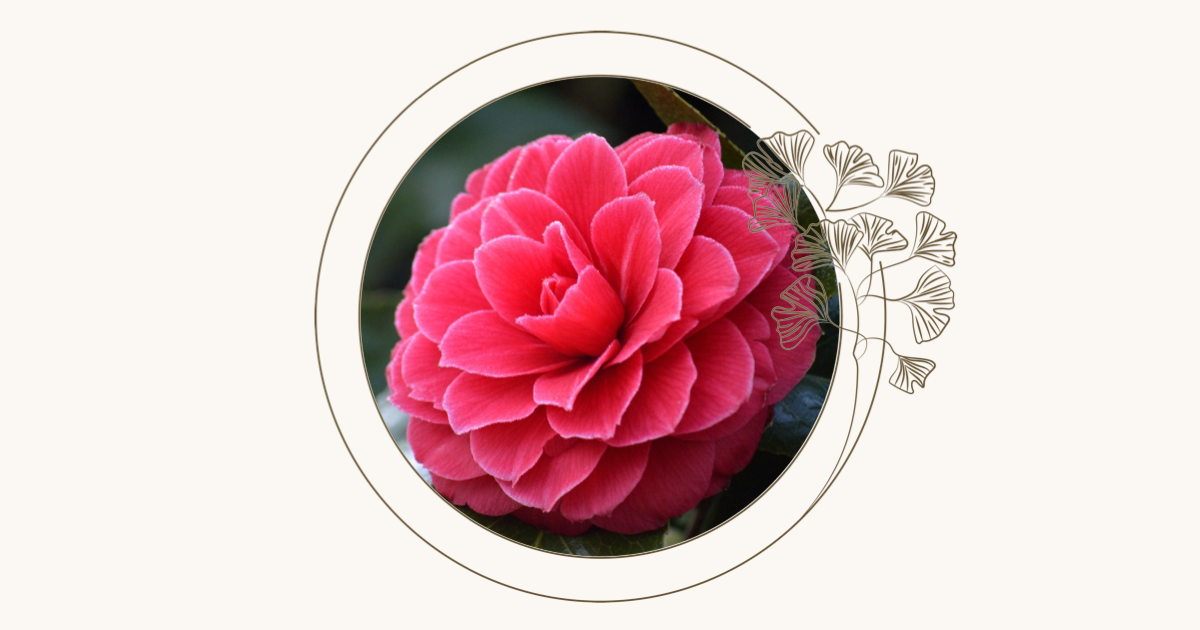
The Camellia Pathway
Historically, the camellia has been associated with admiration, devotion, grace, and inner strength, while its enduring beauty has come to symbolise confidence, dignity, and a deep sense of self-worth. The camellia was chosen for this pathway because these qualities represent the intention of this pathway: to support women in developing a kinder, more secure relationship with themselves, understanding their needs and patterns within relationships, and finding the confidence to build connections in which they do not have to make themselves smaller to be loved. This pathway provides online counselling for women exploring self-worth, attachment patterns, emotional needs, and the relationship dynamics that seem to repeat, even when you understand them intellectually.
You may be outwardly capable, thoughtful, and high-functioning, while privately feeling self-critical, anxious, disconnected from your needs, or unsure why certain relationships leave you feeling smaller than yourself. Counselling can offer a steady space to understand how these patterns formed, how they are maintained, and what might begin to change.
Online counselling available across the UK | Trauma-informed, relational, and somatic-informed support
You Are Not Foolish For Wanting Love, Closeness, or Reassurance
Relationship patterns often carry shame. You may wonder why you keep overgiving, overthinking, staying too long, pulling away, chasing reassurance, choosing unavailable people, silencing your needs, or becoming someone more acceptable in order to be loved.
These patterns do not mean you are weak, dramatic or bad at relationships. They may be adaptations shaped by early experiences, family roles, past relationships, attachment wounds, cultural expectations, gendered pressure, trauma, or years of learning that love had to be earned.
If these patterns are happening within a current partnership, you may also want to explore Couples’ Counselling.
This Support May be For You If…
You are outwardly capable but privately self-critical.
You keep dating or choosing people who cannot fully meet you.
You feel anxious, preoccupied or unsettled in relationships.
You find yourself overgiving, overexplaining, fixing, rescuing, or managing other people’s feelings.
You struggle to know what you need until resentment builds.
You stay longer than you want to, or leave before you can be hurt.
You feel drawn to emotionally unavailable partners.
You become disconnected from yourself when you are trying to be loved.
You struggle with boundaries, guilt, reassurance-seeking, or fear of being too much.
You understand your patterns, but still feel pulled back into them.
You want to build self-worth that does not depend on being chosen, needed, or approved of.
We won’t judge the problems, we will seek to understand them.
What Can Counselling For Relationship Patterns Help With?
Self-worth & criticism
Support for the internal voice that tells you to be easier, smaller, more impressive, less needy, more useful, or less emotional in order to be loved.
Dating & partner choice
Exploring attraction, repetition, unavailable partners, intensity, chemistry, uncertainty, safety, and the difference between being activated and met.
Attachment patterns
Exploring anxious, avoidant, fearful or mixed attachment patterns, and how they may show up in dating, conflict, intimacy, distance, reassurance, need, and withdrawal.
People-pleasing & overfunctioning
Understanding the habit of keeping the relationship alive by managing everything: tone, conflict, desire, plans, emotional repair, and the other person’s comfort.
Boundaries & emotional needs
Learning to recognise needs, limits, preferences, anger, grief, and “no” before they become resentment, collapse or self-abandonment.
Intimacy & vulnerability
Support for the fear of being truly known, asking for care, receiving tenderness, depending on someone, or allowing closeness without losing yourself.
Internal narratives
Understanding the stories you carry about what you deserve, what love costs, what happens when you need something, and who you have had to become to stay connected.
Why do Relationship Patterns Repeat?
Relationship patterns often repeat because they are familiar, not because they are healthy. The nervous system may recognise old dynamics as known, even when they are painful. A part of you may be trying to repair something, prove something, avoid something, or finally receive the love that was missing before.
Counselling can help you slow the pattern down enough to notice what is happening: what you feel, what you fear, what you assume, what you tolerate, what you silence, and what you do to stay connected.
The aim is not to blame your past, your parents, your partners, or yourself. The aim is to understand the emotional logic of the pattern so you have more choice in the present.

When Being Capable Becomes a Way of Disappearing
Many of the women drawn to this work are deeply capable. They may be successful, responsible, emotionally intelligent, socially aware, and used to being the person other people rely on.
But capability can sometimes hide self-abandonment. You may know how to read a room, manage a mood, anticipate a partner’s needs, absorb disappointment, perform ease, or keep everything moving while slowly losing access to your own wants.
Over time, the question may stop being “Why am I not enough?” and become “Where did I learn to become so little trouble?”
Relationships are Worked Out in the Mind and Body
You may understand your relationship patterns clearly intellectually and still feel your body react before you can choose differently. A message goes unanswered and your chest tightens. A tone changes and you begin scanning. Someone pulls away and your body moves into panic, pursuit, collapse or numbness. Someone gets too close and you feel the urge to disappear.
A body-aware approach helps us notice the nervous system patterns underneath relationship behaviour. We can work gently with activation, shutdown, people-pleasing, bracing, resentment, longing, fear and the moments where your body learned that love was not entirely safe.

Support for Women Navigating Relationships with Men
This page may be especially supportive for women navigating dating, long-term relationships, marriage, separation, attraction, emotional labour, gendered expectations, or repeated patterns in relationships with men.
The work is not about blaming men, blaming you, or turning every relationship into a diagnosis. It is about understanding how self-worth, attachment, culture, gender roles, family history, and past relationships may shape what you expect from love, and what you allow yourself to need within it.
You May Also be Looking For…
Couples’ Counselling
For partners who want support with communication, conflict, trust, intimacy, repair, or deciding what comes next.
Somatic Coaching
For body-aware support with nervous system regulation, boundaries, self-trust, and emotional capacity.
Functional Freeze
For people who feel numb, shut down, stuck, or on autopilot while still managing to function.
Burnout & Executive Pressure
For outwardly capable adults carrying chronic pressure, responsibility, perfectionism, or emotional exhaustion.
Body Positive Counselling
For support with body shame, self-worth, visibility, embodiment, and feeling safer in your body.
Questions About Self-Worth and Relationship Patterns
-
Yes. Counselling can help you understand what keeps repeating, why certain dynamics feel familiar, what you may be trying to protect or repair, and how to build more choice in relationships.
-
No. This page is focused on individual counselling for your own self-worth, attachment patterns, and relational dynamics. If you and a partner want to attend together, Couples’ Counselling may be more appropriate.
-
Counselling can support people who experience anxious attachment patterns, including fear of abandonment, reassurance-seeking, overthinking, emotional intensity or difficulty feeling secure in relationships.
-
There can be many reasons, including attachment patterns, familiarity, early relational experiences, self-worth, chemistry, fear of intimacy, or trying to repair an old emotional wound. Counselling can help you understand the pattern without shaming yourself.
-
Yes. Counselling can help you notice where people-pleasing appears, what it protects you from, how it affects your needs and boundaries, and how to practise more honest connection.
-
No. This work can be helpful whether you are single, dating, partnered, married, separating, or reflecting on past relationship patterns.
-
No. While this page may speak especially to women navigating relationships with men, support around self-worth, attachment, and relational patterns can be relevant across identities and relationship structures. LGBTQ+ clients may also want to explore LGBTQ+ Affirming Counselling.
-
Yes. Sessions are available online for adults across the UK.
You are Allowed to Need More From Love
You do not need to become smaller, easier, less emotional, more impressive, or less in need of care before you are worthy of a relationship that meets you.
A free consultation gives you space to ask questions, talk through what keeps happening, and see whether this feels like the right support for you.